Spray Foam vs. Fiberglass Insulation in Graham County's Climate
"Why not just use fiberglass batts, they're cheaper?" is one of the most common questions we get from Safford-area homeowners. The honest answer is that fiberglass and spray foam aren't a straight better-vs-worse comparison — they perform differently in a genuinely hot-dry desert climate like Graham County's, and that difference matters more here than it would in a milder climate.
The core difference: air-sealing
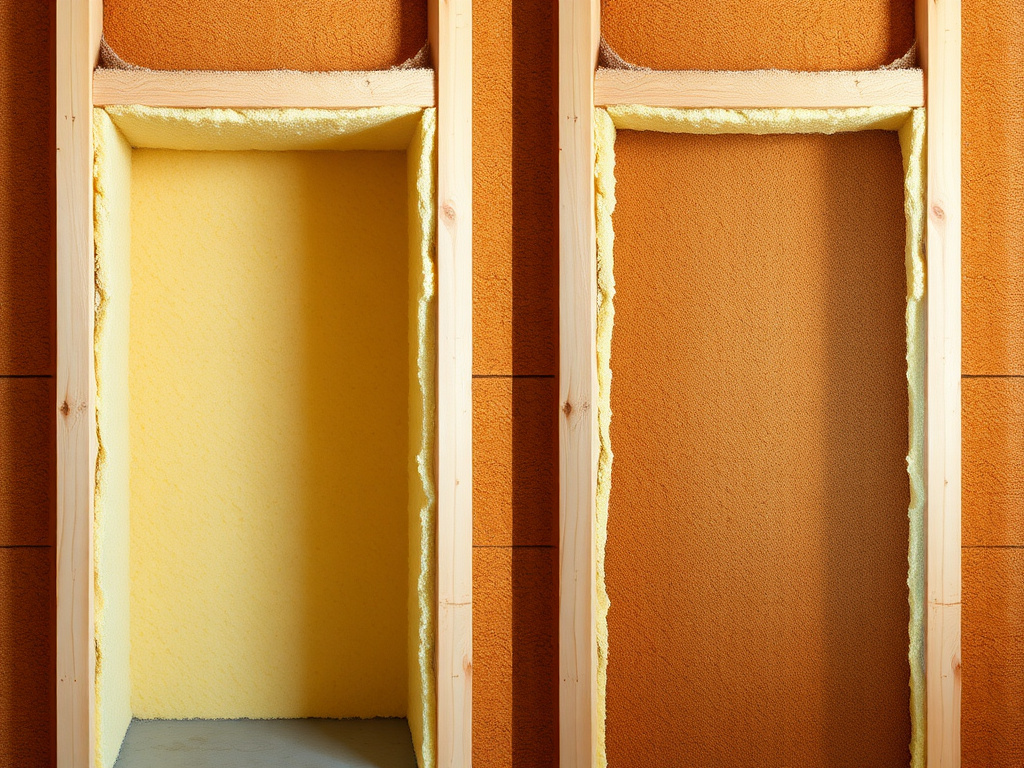
Fiberglass batts fill a stud or joist cavity, but they don't seal it. Gaps around wiring penetrations, top plates, duct boots, and the attic hatch stay open, letting superheated attic air and radiant roof heat move straight into living space. Spray foam expands to fill irregular cavities completely and cures into a continuous air barrier in the same application — insulating and air-sealing in one step, which batts structurally cannot do.
Why this matters more in IECC Zone 3B
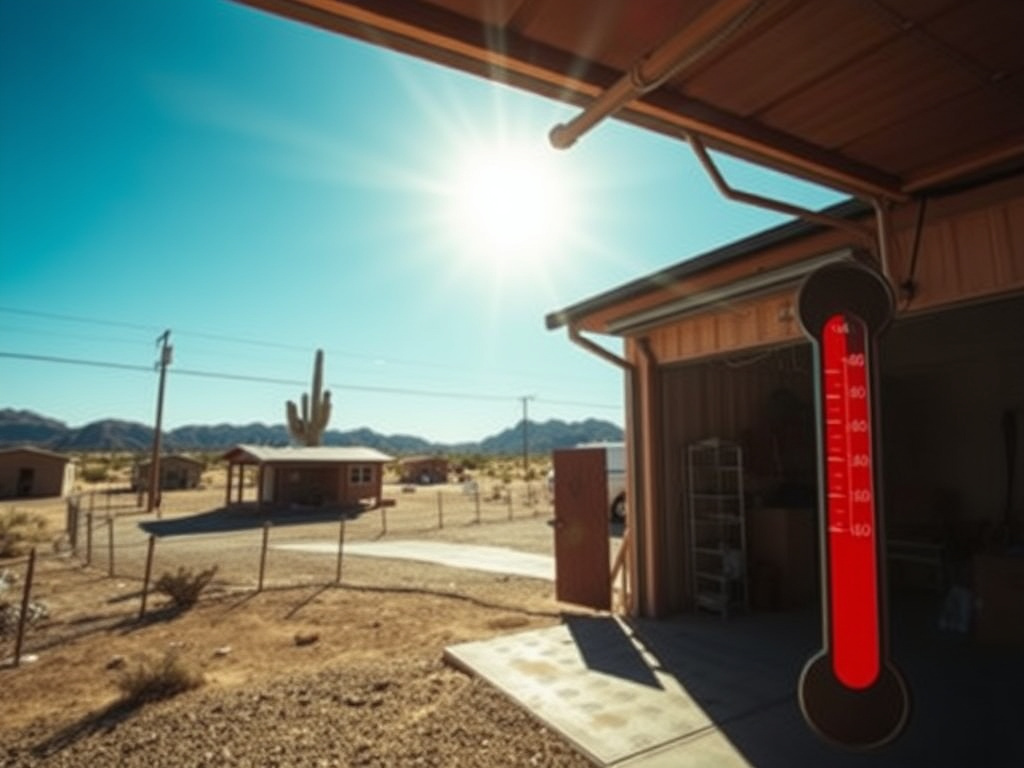
- Safford sits in IECC Climate Zone 3B, hot-dry, with summer highs regularly averaging around 99°F.
- Air conditioning typically makes up the largest single share of a Graham County home's summer electric bill.
- An under-insulated, poorly air-sealed attic is one of the most common reasons AC units run longer than they should through a Gila Valley summer.
R-value comparison
Standard fiberglass batts deliver roughly R-3.1 to R-3.4 per inch. Open-cell spray foam delivers roughly R-3.5 to R-3.8 per inch — similar on paper — while closed-cell spray foam delivers roughly R-6 to R-7 per inch, nearly double. But R-value per inch only tells part of the story: a batt that isn't sealed at the edges loses real-world performance that its rated R-value doesn't capture, while spray foam's air-sealing keeps it performing closer to its rated number over the life of the home.
Where fiberglass still makes sense
Fiberglass isn't obsolete — it's simply a different tool. It costs less upfront, it's straightforward to install, and for a budget-constrained project or a space where air-sealing is being handled separately, it can still be a reasonable choice. Where it falls short in a Zone 3B climate is exactly where infiltration matters most: attics, roof decks, and garages taking the brunt of Graham County's summer heat load.
Older Safford homes and settled insulation
A lot of Safford and Gila Valley homes carry original fiberglass batt insulation that has settled, compressed, or shifted out of place over the decades — reducing real coverage well below the R-38 to R-49 range that 2021 IECC code calls for in this climate zone. That's one of the most common findings during a free on-site assessment, and it's often the single biggest reason a home's cooling bill runs higher than it should.
Frequently asked questions
Not universally — but for attics, roof decks, and garages in a hot-dry Zone 3B climate like Graham County's, spray foam's combined insulation and air-sealing performance is usually the stronger long-term choice. For a lower-budget project or a space where air-sealing is already handled, fiberglass batts can still be a reasonable option.
Generally, old or degraded fiberglass batts should be removed before spray foam goes in, since foam needs direct contact with the framing and roof deck or attic floor to perform correctly. We'll assess your existing insulation during your on-site visit and tell you honestly whether removal is needed first.
Ready for a free quote?
Tell us about your home and we'll build a clear, no-pressure quote.